


Forest School
Forest School
At Thomas A Becket Infant School, we are incredibly proud of our Forest School provision. We believe that meaningful learning experiences happen beyond the classroom walls, where children have the freedom to explore, discover, take risks, develop independence and connect with the natural world. Led by our qualified Forest School Leader, our sessions provide a rich combination of child-led exploration, practical skills, imaginative play and unforgettable experiences that support children’s development across the Early Years Foundation Stage (EYFS) and Key Stage 1.
Unlike a traditional classroom lesson, Forest School allows children the time and freedom to explore ideas, make discoveries, solve problems and direct aspects of their own learning. One child might spend an afternoon constructing an elaborate den, while another becomes completely absorbed in investigating a beetle beneath a log. Some children seek the excitement of climbing, balancing and physical challenges, while others prefer creating with clay, exploring the mud kitchen or enjoying the peaceful surroundings. Every experience has value.
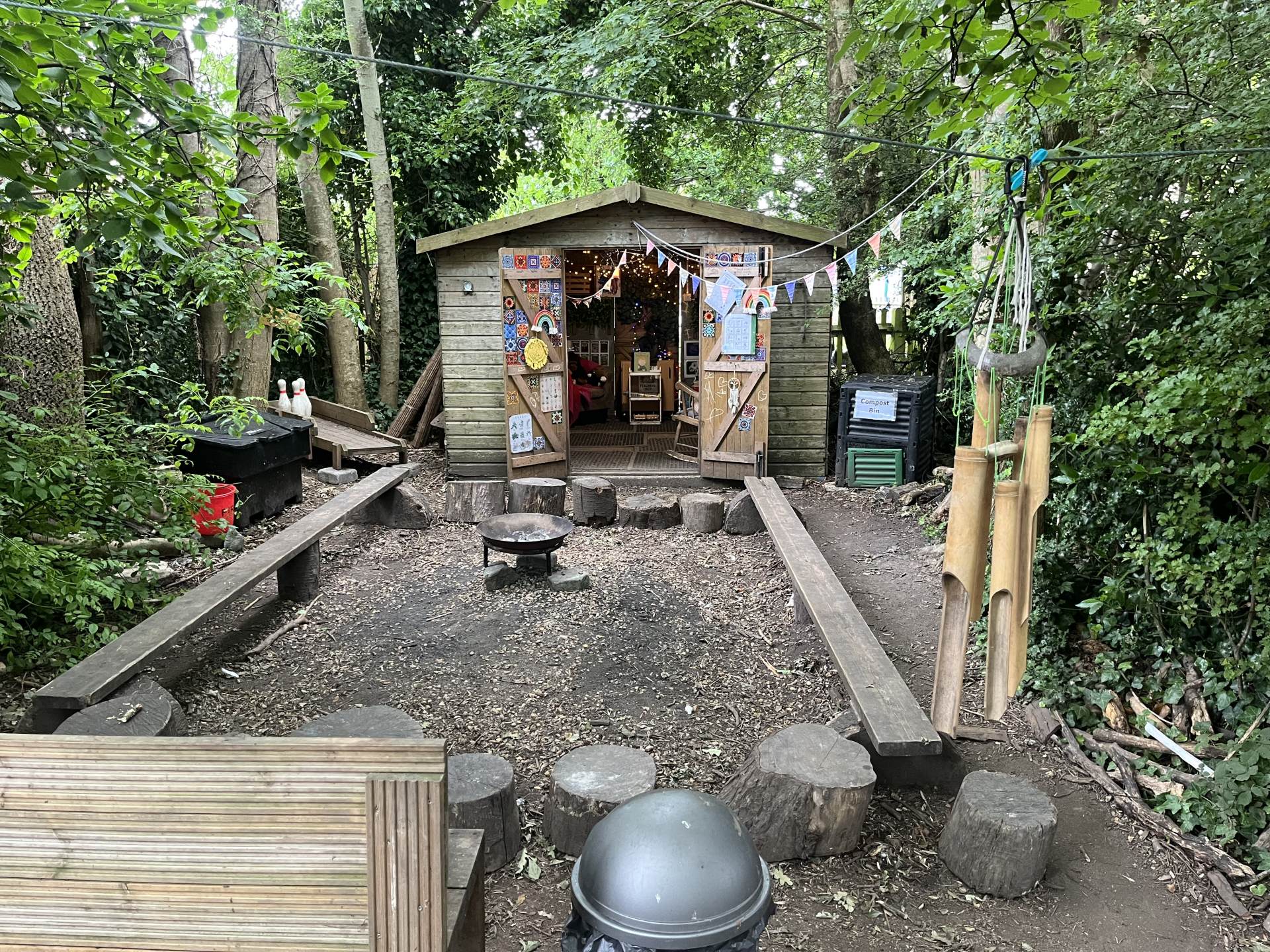
The outdoors
Every child enjoys six full Forest School days each academic year, carefully organised into two blocks of three sessions. By spreading these experiences across different times of the year, children have the opportunity to observe and experience the changing seasons first-hand. From discovering the first signs of spring and watching new life emerge in our pond, to exploring the colours, textures and treasures of autumn, our woodland environment offers something new with every visit. Our seasonal learning allows children to experience how weather, temperature, daylight, plants and wildlife change throughout the year. They develop an understanding of seasonal cycles, habitats and the interconnectedness of living things; not simply through books or pictures, but by seeing, touching, hearing and experiencing these changes for themselves.
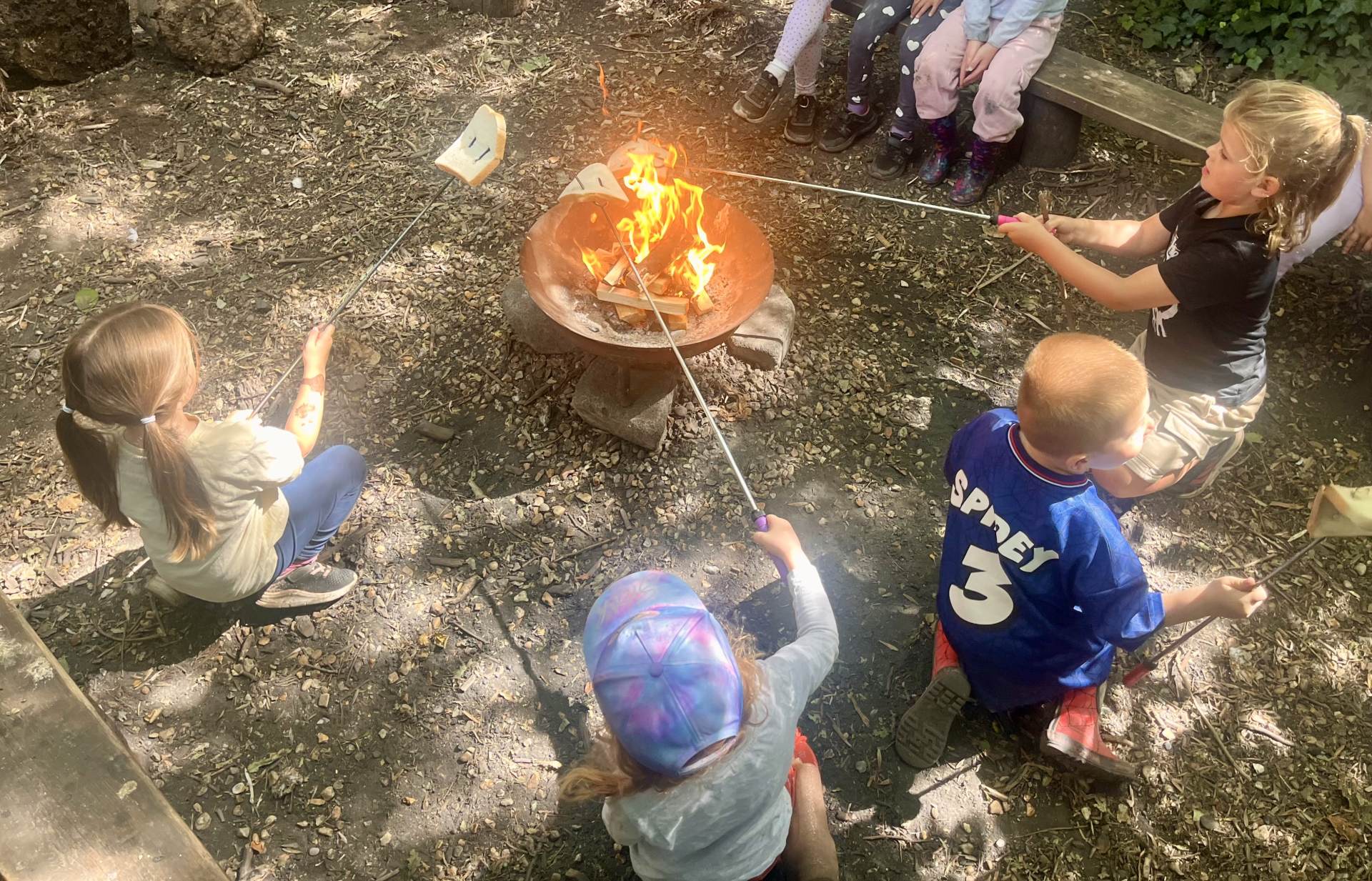
The wildlife
Our Forest School is a living, breathing classroom, shared with a wonderful variety of wildlife. From busy squirrels darting through the branches to birds singing overhead, from earthworms working beneath the soil to woodlice, beetles, spiders and other minibeasts; there is always something fascinating to discover. Children are encouraged to become wildlife detectives by carefully investigating habitats and observing the behaviour of the creatures that share our Forest School.
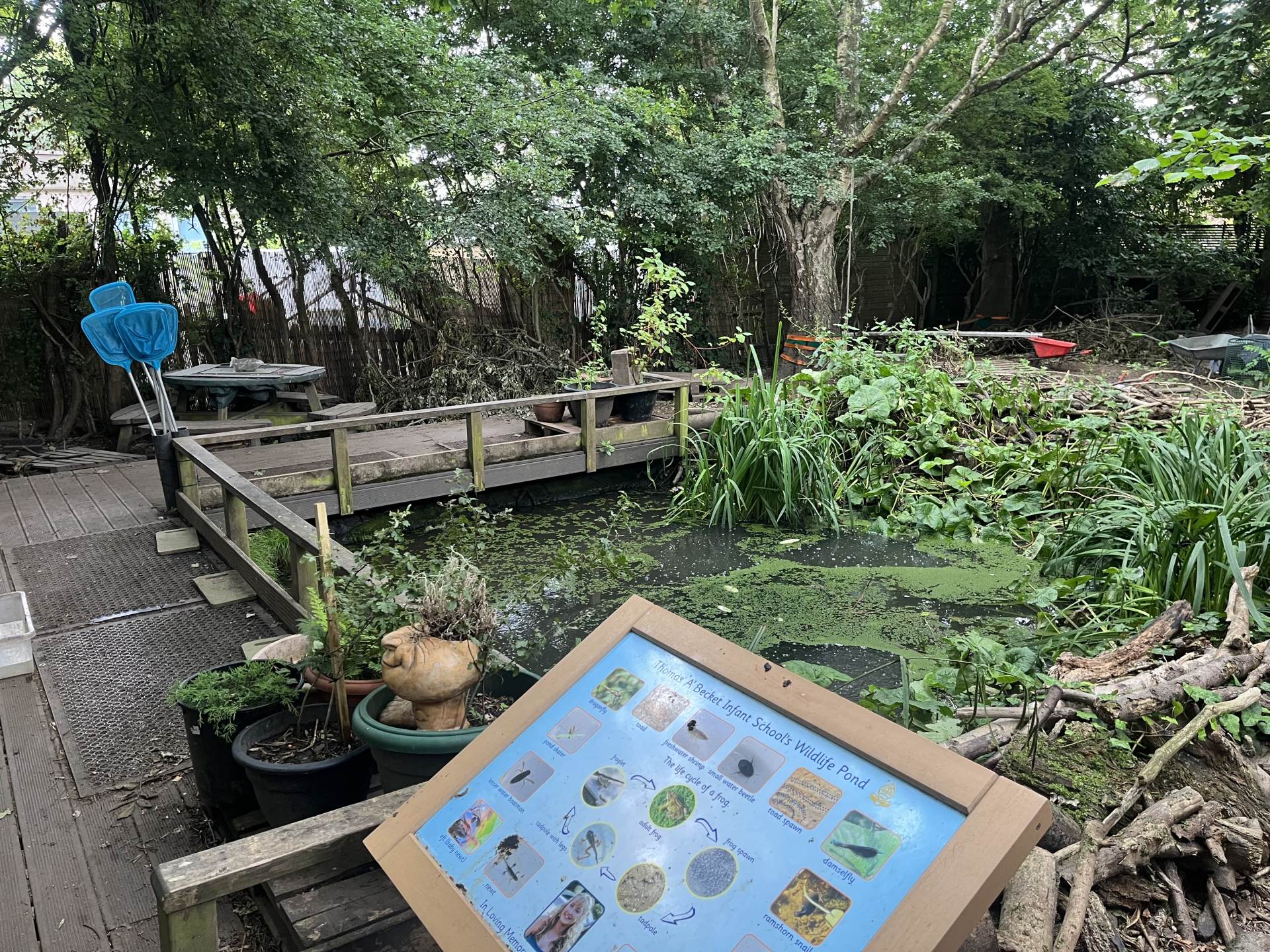
The Pond
Our wildlife pond is a window into a hidden world with its thriving little ecosystem teeming with life. Our wildlife pond is home to a variety of wildlife, including newts, pond snails, freshwater shrimps and tadpoles, providing wonderful opportunities for observation, identification and discovery. Armed with pond-dipping nets, identification charts and plenty of curiosity, children become young scientists as they investigate the incredible creatures living beneath the water’s surface. Children learn about life cycles, food chains, aquatic habitats and the importance of clean water. They begin to understand how even the smallest creatures play an essential role in maintaining a healthy ecosystem. Just as importantly, it teaches children to treat living creatures with kindness, respect and care, always returning them safely to their natural habitat.
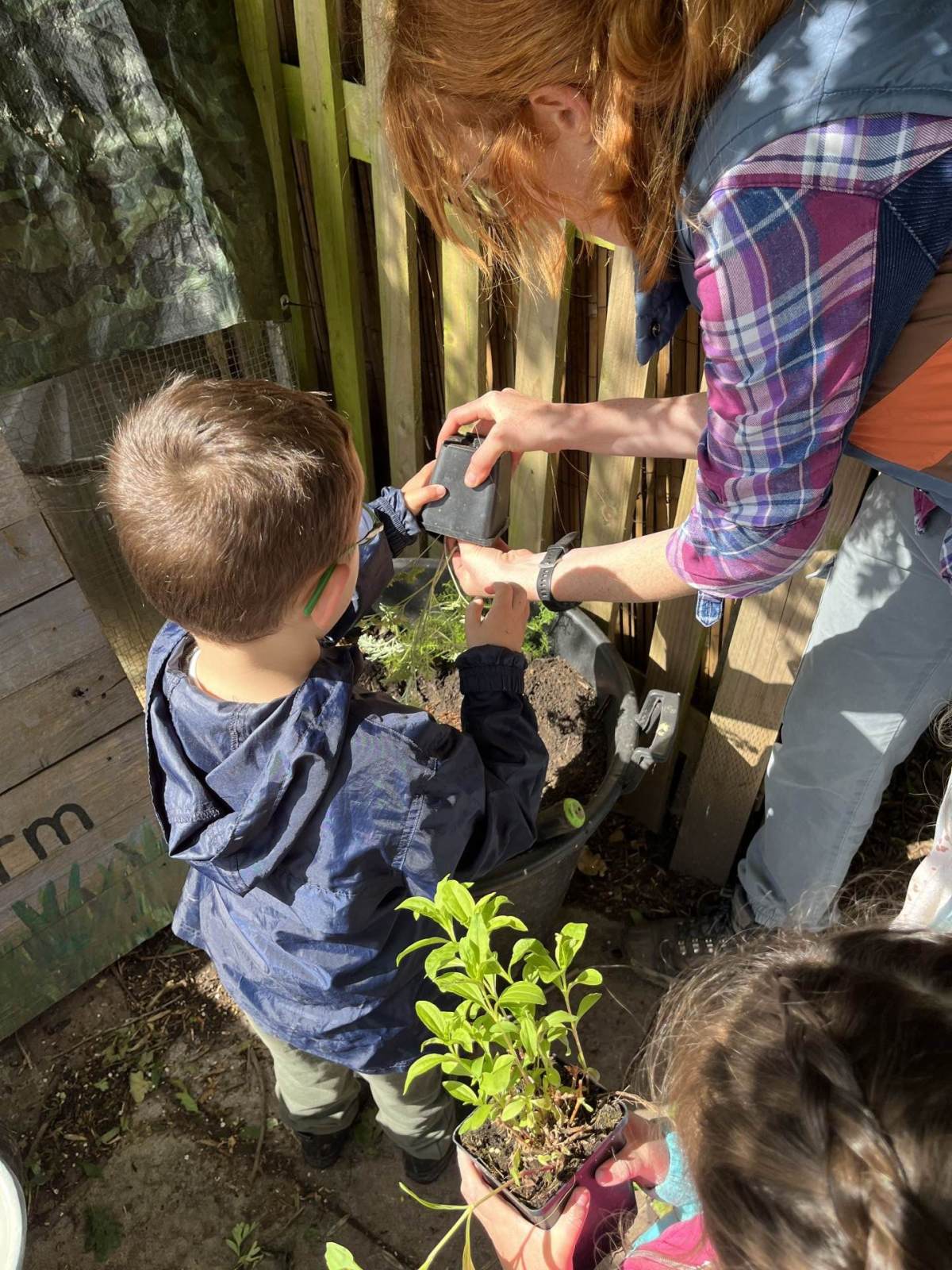
Our Ethos
We teach children that every living thing matters, no matter how small. A woodlouse hiding beneath a log deserves the same kindness and consideration as a squirrel up in the trees. Perhaps most importantly, the children begin to see themselves not simply as visitors to nature, but as part of it.
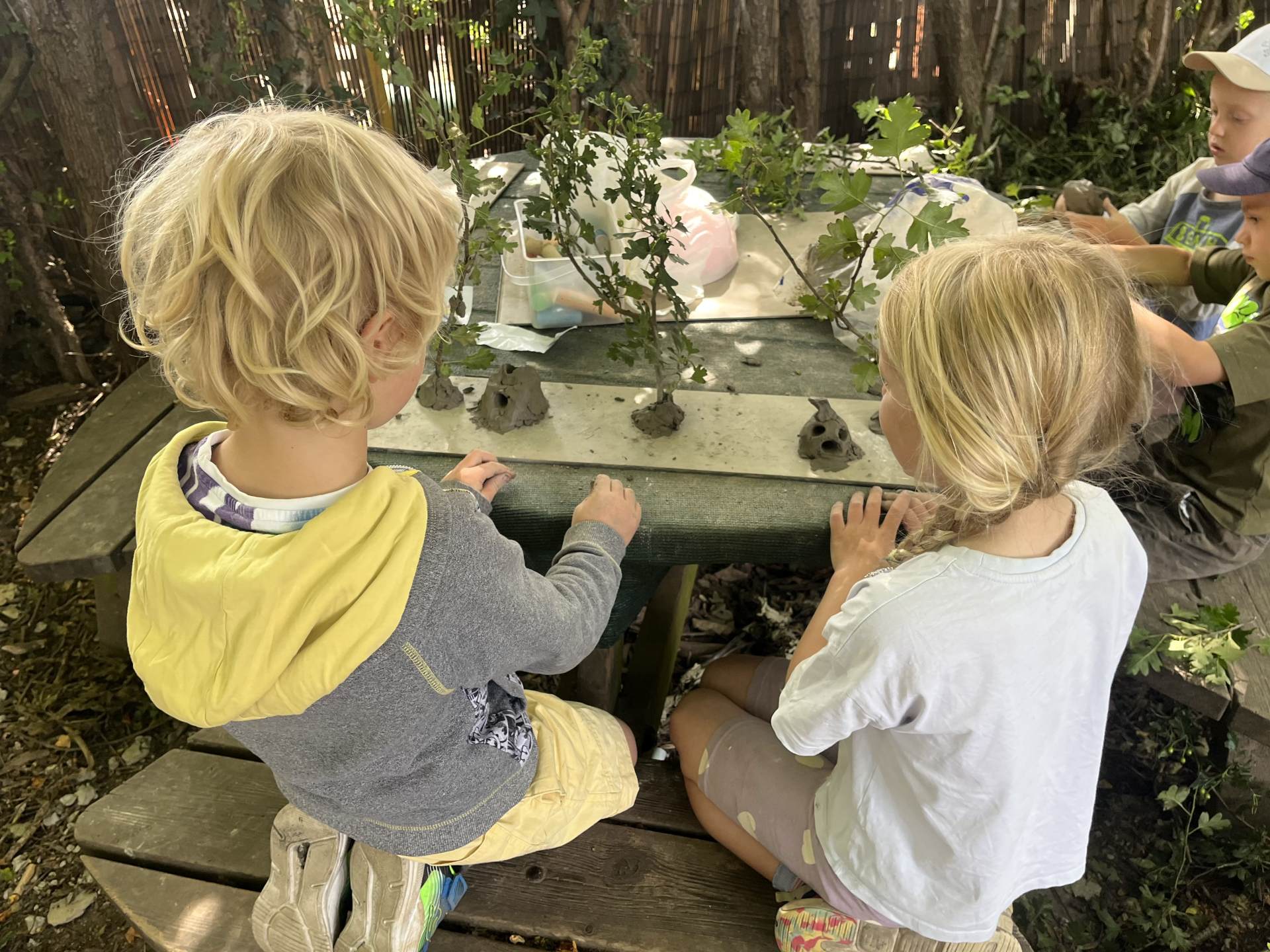
Other activities at Forest School include
Few experiences capture children’s excitement quite like learning to create their very first spark! Under close adult supervision, children are introduced to the skill of fire lighting using a flint and steel, known to TAB children as a Dragon’s Sneeze. They learn how to position their equipment, develop the coordination needed to produce sparks and begin to understand the basic principles of fire. Fire lighting provides an extraordinary opportunity to develop perseverance, concentration, resilience and self-belief. Creating a spark can be challenging, and children quickly discover that success doesn’t always happen on the first attempt. They learn to keep trying, adjust their technique and celebrate their achievements.
Whittling is another exciting practical experience offered at our Forest School. Using appropriate tools under careful adult guidance, children learn how to safely remove bark and shape sticks. Although this may appear to be a simple woodland activity, it provides a wealth of developmental benefits. Whittling strengthens fine motor skills, hand-eye coordination and bilateral coordination (the ability to use both sides of the body together). It also encourages concentration, patience, careful decision-making and an understanding of how to use tools responsibly.
Working with an adult and following established safety procedures, children learn how to use a Bow Saw to cut wood. This exciting activity encourages teamwork, communication and coordination. Children develop their ability to listen carefully, follow instructions, assess risks and take responsibility for their own actions. Using a real tool gives children an enormous sense of achievement and demonstrates the trust and confidence we place in their growing abilities.
One of the most popular areas of our Forest School is our large, purpose-built mud kitchen, which is always a wonderfully busy hub of creativity, collaboration and gloriously messy play. Here, a handful of mud can become a chocolate cake, a collection of leaves transforms into a delicious soup, and a bucket of water might just be the secret ingredient in a magical potion. The possibilities are endless because the children are in charge of their own play.
Behind all that laughter, mixing, pouring, splashing and imaginative cooking, something remarkable is happening. Children are developing:
- Communication and language: negotiating roles, explaining ideas, creating stories and developing vocabulary.
- Early mathematics: measuring, counting, comparing quantities, exploring capacity and investigating volume.
- Physical development: strengthening hand muscles, refining coordination and developing fine motor control through stirring, scooping, pouring and transporting.
- Personal and social skills: sharing resources, cooperating, resolving disagreements and working towards common goals.
- Creativity and problem-solving: experimenting with materials, testing ideas and adapting plans when things don’t quite work out.
The beauty of our mud kitchen is that this learning happens naturally, through purposeful, child-led play. Children are free to follow their imaginations, explore their own ideas and experience the enormous satisfaction of creating something entirely their own.
Forest School isn’t always about big adventures and energetic exploration. Tucked away within our outdoor environment is our much-loved Cosy Shed. It is a peaceful retreat complete with twinkling fairy lights, soft blankets and a wonderfully welcoming atmosphere. This special space gives children the opportunity to slow down, relax and enjoy quieter activities, such as reading, crafting, sharing stories with friends or simply enjoying a peaceful moment. The Cosy Shed provides an important balance to the excitement of outdoor learning, supporting emotional wellbeing, self-regulation, concentration, literacy and creativity. Children learn to recognise when they need a quieter moment and discover that taking time to rest, reflect and recharge is an important part of looking after themselves.
Volunteering at Forest School
We have a vibrant and upbeat volunteer community at Forest School. The volunteer community consists of parents and grandparents, who enjoy the outdoors and are involved in different ways. Some volunteers choose to support their child’s class, working with children directly and others prefer to come in and undertake maintenance in the outdoor areas. Other volunteers with a particular passion, such as bee keeping, come into Forest School to give short talks to our children. If you would like to find out more about volunteering at Forest School please contact Katie Larkham (Outdoor Learning Leader) – klarkham@tabinfant.org.uk
Fun in the Forest After School Club
We offer an after-school Forest School club for each year group at our school. This is an opportunity for children to use our fantastic Forest School facilities in a ‘Stay and Play’ capacity for one hour after school. As a special treat, children at the club enjoy a hot chocolate and a biscuit around the fire circle. Places are limited.
Fun In the Forest Holiday Club
At Fun in the Forest Holiday Club the children will have the opportunity to embrace all they love about our wonderful Forest School. They will be able to use Forest School tools, light fires with flints, pond dip, participate in outdoor arts and crafts, enjoy time around the campfire, play in the mud kitchen, build dens, climb trees, and explore the swings in the meadow area. Our Fun in the Forest Holiday runs on certain days over the school holidays.
Funding for Forest School
Our Forest School is funded purely through donations and monies raised via our Fun in the Forest Club. If you would like to donate financially or have any equipment you think would benefit our Forest School environment, then please contact Katie Larkham (Outdoor Learning Leader) – klarkham@tabinfant.org.uk